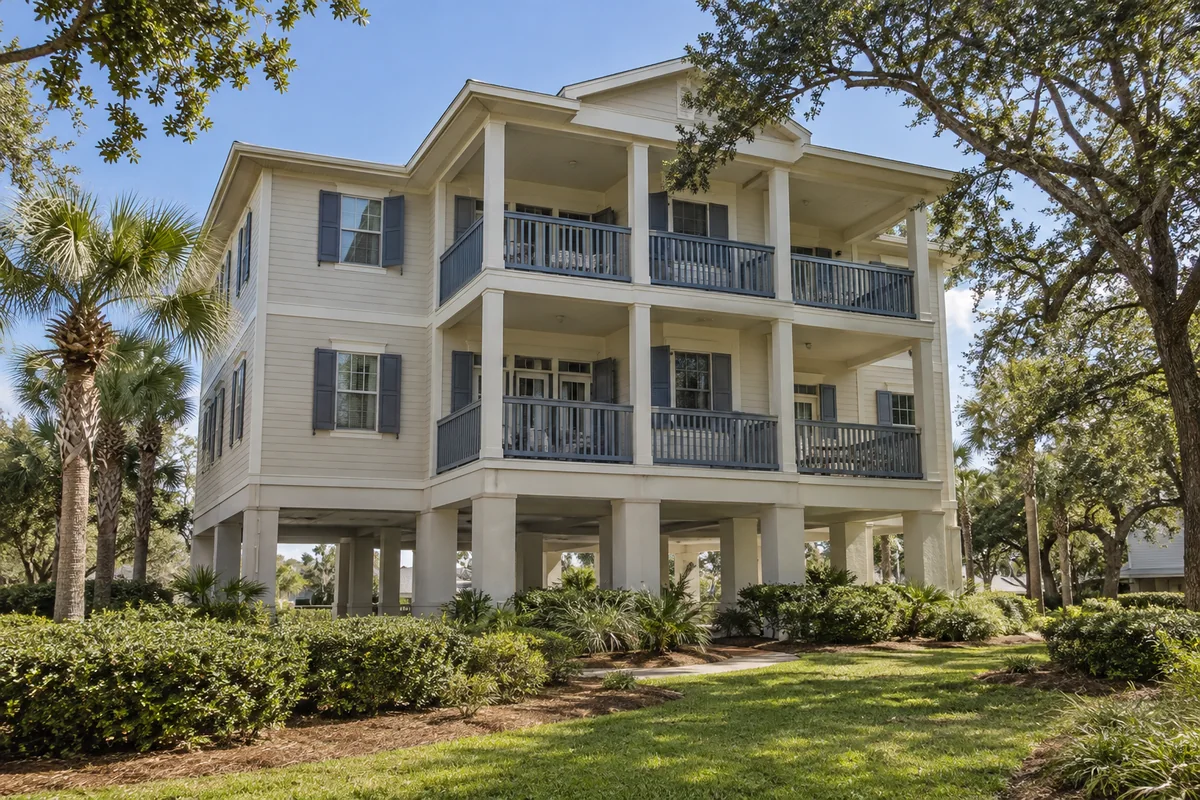
Separate association responsibility from your own
The association may insure portions of the building and common property, while the unit owner insures other property and personal exposures. The precise dividing line depends on the condominium documents, insurance arrangements, and policy wording. Avoid assuming that a phrase such as walls-in describes every association in the same way.
Ask for the declaration, bylaws, insurance responsibility provisions, current master policy information, and any amendments. Identify who is responsible for interior surfaces, fixtures, cabinets, appliances, improvements, windows, doors, and balconies. A property manager can help obtain records, but your agent should review the insurance implications of the actual documents.
Keep ownership responsibility and insurance coverage distinct. Being responsible for repairing something does not necessarily mean your own policy covers its damage. Likewise, property included in a master policy may be subject to exclusions or deductibles that still affect you financially. The comparison needs both layers.
Understand what an HO-6 description tells you
The Mississippi Insurance Department identifies HO-6 as a commonly offered townhouse or condominium form. That description is a starting point rather than a complete promise of coverage. Carriers can use different forms and endorsements, and a surplus lines proposal may differ from a familiar standard form.
Ask for the proposed policy and endorsements, then review building property, personal property, liability, medical payments, and loss of use separately. Confirm the covered causes of loss for each category. A special property extension or attractive limit does not remove an exclusion found elsewhere in the contract.
A townhouse appearance also does not establish the correct policy type. Some attached homes have different ownership and maintenance arrangements from a condominium. Give the agent the legal ownership documents and association information so the quote reflects the actual property structure rather than its architectural style.
Estimate the property you must insure inside the unit
List the interior building items that fall within your insurance responsibility. Include improvements made by prior owners as well as your own renovations. Flooring, cabinets, built-in appliances, fixtures, and custom finishes can represent a substantial rebuilding cost even when the master policy covers the main building shell.
Ask how the proposed building property limit was calculated. The sale price of the unit includes factors that are not the same as reconstruction cost for your covered interior. A lender’s minimum requirement may also differ from the amount needed to replace the finishes you are responsible for.
Keep photographs, invoices, plans, and a record of improvements. When the kitchen or bathroom is remodeled, update the agent promptly. Review whether ordinance or law coverage is included and how it applies to your insured property. Do not assume the association’s code-related coverage addresses every expense inside the unit.
Inventory personal belongings and special items
Furniture, clothing, electronics, cookware, and other belongings need their own limit and settlement review. Create an inventory with photographs and receipts where available. Store a copy somewhere accessible if you cannot enter the unit after a loss. Include items kept in storage areas, subject to the policy’s location restrictions.
Ask whether contents settle at replacement cost or actual cash value and whether the policy requires replacement before certain amounts are paid. Jewelry, collectibles, musical instruments, and other categories can have special limits or exclusions. Discuss separately scheduled coverage when appropriate rather than assuming a large general contents limit is enough.
If another person shares the unit, clarify whose property is insured. A roommate, unrelated co-owner, tenant, and visiting relative may not have the same status under the policy. Give the agent the actual household arrangement and ask how each person’s property and liability exposures should be handled.
Read loss assessment coverage carefully
An association may assess owners for expenses, but a loss assessment endorsement does not necessarily insure every assessment. Ask what causes of loss qualify, which association liabilities are addressed, and what conditions apply to the timing and reason for the assessment. Routine maintenance and special improvement projects should not be assumed to be covered.
Deductible assessments deserve particular attention. Find out whether the unit policy covers an assessment arising from the association’s deductible, whether a separate sublimit applies, and whether wind, hail, hurricane, or flood is excluded. A headline loss assessment limit may be much broader than the amount available for one particular deductible.
Request a worked explanation using the association’s actual deductible structure. If the master policy uses a percentage deductible, ask how it would be calculated and allocated under the association’s documents. The unit policy should be compared with that real exposure rather than an arbitrary assessment amount.
Coordinate wind and flood across both insurance layers
For a coastal Mississippi condominium, ask whether the association’s master policy includes wind and hail or uses a separate wind arrangement. Obtain the deductible information and explain it to your unit insurer. An inland building also needs review of wind and hail provisions; storm risk is not limited to the shoreline.
Flood is separate from standard homeowners coverage. Ask whether the association carries flood insurance, what building property it insures, and what separate coverage you may need for your unit or contents. Do not assume an elevated floor eliminates all exposure to a damaged building or automatically resolves insurance requirements.
Review limitations rather than assuming that loss assessment fills any flood gap. Also distinguish water entering from outside flooding from a pipe leak or backup. These can be treated differently. The flood and storm surge guide explains why the cause of water damage is central to the coverage question.
Ask about leaks involving neighboring units
Condominium water losses can involve several owners, the association, and more than one insurer. Your policy’s property coverage and liability coverage address different parts of the situation. Damage originating in your unit does not automatically establish your legal responsibility for every damaged area elsewhere in the building.
Ask about sudden accidental water damage, repeated leakage, mold or fungi limitations, sewer or drain backup, and protective-device requirements. These provisions vary. Document appliance maintenance and report known leaks promptly. A small recurring problem can become a larger dispute if its history is unclear.
If a loss occurs, protect property when safe, notify the appropriate insurer and association, and keep photographs and communications. Do not assume that an association claim automatically reports your individual claim. Avoid promising another owner that your insurance will pay before the policy and facts have been evaluated.
Compare temporary housing and loss of rental income
If covered damage makes the unit unusable, loss of use coverage may help with qualifying additional living expenses or other benefits described in the policy. Ask about dollar limits, time limits, and the covered loss requirement. An inability to enter the building does not automatically satisfy every policy’s conditions.
A unit rented to others raises a different income question. Explain the rental arrangement and ask about fair rental value or other appropriate income coverage. Ordinary vacancy, tenant default, and canceled trips should not be treated as automatically insured. Keep leases and income records if the unit produces rent.
For a second home, ask how the policy treats a unit that is not your primary residence. Benefits intended for additional living expenses may not function the way an owner expects during occasional visits. Review the actual wording before relying on a general promise that temporary housing is included.
Disclose rental and seasonal use to both parties
Tell the unit insurer whether you occupy the condo full time, use it periodically, lease it long term, or offer short-term guest stays. Check the association’s governing rules separately. Insurance acceptance does not establish that an activity is permitted by the association or other applicable requirements.
Provide the number of occupants, rental frequency, typical stay length, management arrangement, and any amenities you make available to guests. A policy written for personal seasonal use may not fit frequent paying guests without changes. Review the short-term rental and second home guide for questions to bring to the agent.
Report extended vacancy, renovation, and changes in ownership. If an LLC or trust owns the unit, identify it accurately. The named insured, association records, lender requirements, and umbrella coverage should be considered together instead of treating each document as unrelated paperwork.
Evaluate a surplus quote on the complete condo exposure
A surplus lines insurer may offer an option when admitted carriers decline a unit because of location, claims, building features, or another underwriting factor. Ask why the policy is being proposed and what information the underwriter reviewed about the association. A unit cannot be evaluated completely without some understanding of the building around it.
Review the insurer’s legal name, nonadmitted status, applicable disclosures, guaranty protection limitations, and claims contact. Then compare interior limits, contents, liability, loss assessment, loss of use, deductibles, and exclusions. Surplus status alone does not tell you whether a quote meets your needs.
Hypothetical example: an owner compares two unit policies with similar contents limits. One provides a smaller sublimit for an association deductible assessment. If the association has a large wind deductible, that difference may be more consequential than a small premium reduction. The actual endorsement determines the result.
Recheck the master policy at every renewal
Request updated association insurance information each year and when the association announces a material change. A new deductible, reduced limit, changed insurer, or coverage exclusion can alter the protection you need to consider personally. Your individual policy may not adjust automatically when the association’s policy changes.
Keep a comparison file containing the current master summary, your unit declarations, relevant endorsements, governing provisions, and agent explanations. Add major assessment notices and renovation records. A concise file makes the next review more useful and gives a new agent the context needed for a realistic quote.
Before binding, confirm that the policy’s property description and occupancy are correct and that lender conditions have been addressed. After purchase, examine the issued documents against the proposal. Resolve inconsistencies promptly rather than assuming that a quote summary and final policy are always identical.
Common questions
Does the condominium association insure everything in my unit?
Do not assume that. Review the governing documents and master policy with your agent to identify the association’s responsibilities and your own. Interior finishes, improvements, belongings, liability, and assessments can require separate protection. The answer depends on the actual documents and policy wording, not the building’s appearance.
What does HO-6 mean for a Mississippi condo owner?
HO-6 is a commonly used condominium unit owner form description identified in MID consumer guidance. It does not mean every insurer offers identical coverage. Examine the actual property limits, covered causes of loss, deductibles, exclusions, and endorsements, particularly when comparing a standard form with a surplus lines proposal.
Does loss assessment insurance cover every association assessment?
No. Assessments must satisfy the coverage terms. Maintenance, improvements, excluded causes of loss, and certain deductible assessments may not be covered. Ask about special sublimits and wind or flood restrictions. Compare the endorsement with the association’s current deductible and the rules for allocating expenses to owners.
Do I need flood insurance if the association has it?
You may still have gaps to evaluate. Ask what the association’s flood policy covers and whether separate unit or contents coverage is appropriate. Consider limits, exclusions, deductibles, and lender requirements. Standard homeowners coverage should not be assumed to fill every gap left by the association’s flood arrangement.
Can I rent out a condo insured as my second home?
Contact the insurer before changing the use. Provide the rental schedule, stay lengths, management details, and all booking channels. The insurer must evaluate the actual exposure. Check association rules separately; insurance acceptance does not mean the association permits the rental activity.
What documents should I send for a condo quote?
Provide the current master policy information, association insurance responsibility provisions, unit details, interior improvements, ownership name, occupancy, prior losses, and lender requirements. Include existing coverage and any recent assessment notices. These documents help the agent compare the unit policy with the building’s actual insurance arrangement.
Sources and scope
Official materials checked October 30, 2026. Rules, plan eligibility and policy forms can change. Sources support the topics identified here; they do not confirm a particular policy will cover a loss.
- Mississippi Insurance Department: Homeowner’s InsuranceCoverage categories, replacement cost and actual cash value, shopping information, flood exclusions and claims preparation.