Separate the source of water from the name of the storm
A severe storm can produce several causes of damage. Wind may damage the roof, rain may enter through an opening, a nearby waterway may overflow, or water may rise from the coast. These are not automatically handled by one policy simply because they happened during the same event. The facts of the loss and each contract's definitions guide the coverage review.
Storm surge concerns water driven onto normally dry areas by a storm. A hurricane wind deductible does not turn a homeowners policy into flood coverage. Similarly, a water-backup endorsement should not be assumed to cover all surface water or river flooding. Ask the agent to explain the boundaries between these coverages using the forms proposed for your home.
Create a short coverage map showing which insurer covers the building, wind, flood, contents and liability. Keep it with claim contacts. For coastal homes, review the coastal wind and hurricane guide at the same time so the policies can be evaluated as a coordinated arrangement.
Look beyond whether the lender requires flood insurance
A mortgage requirement is a financing condition, not a complete personal risk assessment. A lender may require coverage because of the property, loan or applicable rules. When it does not require flood insurance, that does not establish that water cannot reach the home or that the potential loss would be affordable.
Review the property's drainage, elevation, surroundings and prior water history. Ask about nearby waterways, low-lying roads, enclosed areas below the main living floor and changes to neighboring development. A seller's statement and an insurance application can provide useful information, but unanswered questions should be investigated rather than filled in with optimistic assumptions.
Maps are a useful starting point, not a guarantee against future flooding. Discuss the address with the insurance professional and use official flood mapping resources where available. If you are buying, ask early which documents the lender needs and whether the proposed policy will be accepted. Do not wait until the closing date to resolve a disagreement over coverage or documentation.
Compare building and contents coverage separately
A flood quotation should explain protection for the building and for personal belongings. These are different categories, and buying one does not always mean buying the other at the amount you expected. A homeowner with substantial furnishings or equipment should review contents limits deliberately rather than focus only on the dwelling.
Ask what the policy considers building property. Cabinets, flooring, appliances and systems may be treated differently from movable belongings, and location within the structure can matter. Garages, detached buildings and property outside the dwelling need separate attention. A broad homeowners limit should not be carried over as an assumption about a flood policy's treatment of the same items.
Prepare an inventory showing where valuable items are kept. Store photographs and receipts somewhere that remains accessible if the house floods. Discuss any unusual property, such as a workshop, collection or equipment used for business. The goal is to identify a coverage need before a loss, when changing where property is stored or selecting another available arrangement may still be possible.
Renters and landlords should also clarify ownership of the belongings being discussed. A building owner’s policy does not establish protection for a tenant’s furniture, and a tenant’s contents policy does not insure the landlord’s building. Keep the ownership and coverage questions separate, even when everyone is concerned about the same flood event.
Review lower enclosures and elevated homes carefully
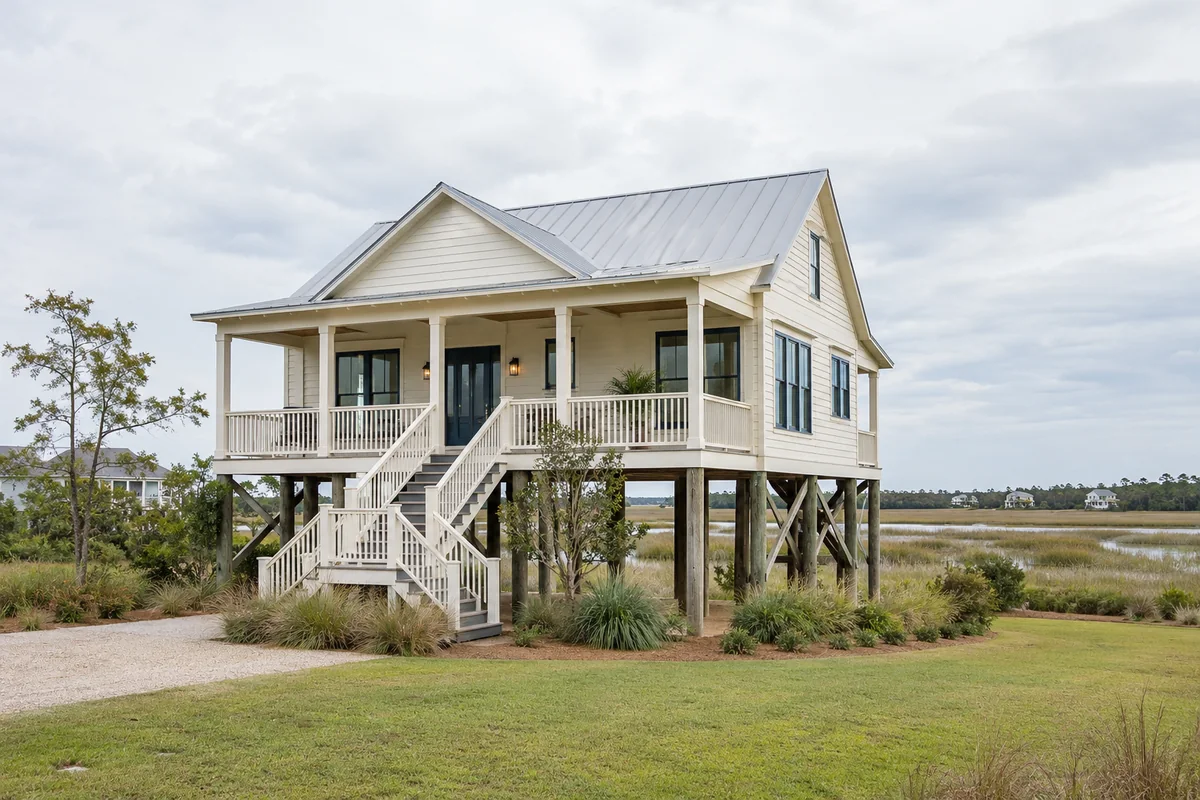
Some Mississippi coastal homes have a main living floor above an enclosure, storage area or parking level. Coverage below the elevated floor can be subject to limitations. A finished room, expensive flooring or stored belongings in that space should not be assumed covered in the same way as property on the main living level.
Describe the structure accurately, including enclosure walls, openings, equipment location and the actual use of each level. If renovations have changed the layout, make sure the application reflects the current building. An old photograph or listing description may omit an important change. Ask whether an elevation certificate or other documentation would help the insurer evaluate the property.
Review proposed improvements with qualified construction and insurance professionals before treating them as a guaranteed insurance solution. Elevating equipment or changing storage practices may reduce exposure, but acceptance, pricing and covered property depend on the actual circumstances. Do not rely on a general statement that a house is “raised” as proof that everything underneath it is insurable or protected.
Understand how a flood claim would be valued
Ask whether the building and contents would be settled on replacement-cost or actual-cash-value terms and what conditions apply. Actual cash value generally reflects depreciation. Replacement-cost treatment can depend on requirements in the contract; the phrase alone is not a promise that every item will be replaced without an out-of-pocket expense.
Review the deductible for each coverage category. Ask whether building and contents carry separate deductibles and whether any additional limits apply to particular property. Hypothetical example: if two different coverages each require the homeowner to absorb a deductible, comparing only one deductible understates the amount the household may need after a flood. Use the actual quote for a dollar calculation.
Also ask about cleanup, debris, temporary housing and loss of rental income. These expenses should be evaluated individually. Do not assume flood coverage has the same living-expense protection as the homeowners policy. The practical question is which costs your household could face and which of those the proposed contract actually addresses.
Evaluate available flood markets on the actual terms
An insurance professional can discuss the National Flood Insurance Program and any private flood options available for the property. Availability, limits, eligibility and wording can differ. Private coverage is not automatically broader, and a familiar program name does not remove the need to read the quotation and policy.
Compare covered property, settlement, exclusions, deductibles and additional expenses. Ask about the insurer's identity and the regulatory status of the policy. If the placement is through surplus lines, review the relevant disclosures and the explanation of guaranty-association limitations. Surplus status should be understood separately from the question of whether a policy meets the household's flood coverage needs.
If the home is mortgaged, give the lender the proposed coverage information early. A lender's acceptance decision is separate from the insurer's willingness to offer the policy. Ask the agent to identify any material difference from the existing arrangement and document the effective dates. Avoid creating a gap while changing flood policies or coordinating them with a new homeowners contract.
Check the effective date before water is threatening
Flood insurance may involve a waiting period, and exceptions or effective-date rules can depend on the program and circumstances. Ask for the exact date and time coverage will begin. Do not assume that completing an application or sending payment means the property is protected that day.
When buying a home, start the conversation while there is time to gather property information and resolve lender questions. When renewing, confirm receipt of notices and payment instructions. If a policy has lapsed, explain that accurately and ask how it affects the proposed effective date. An online quote should not be treated as a binder unless that is expressly established.
Approaching storms can also affect private-market availability or binding. The useful time to review coverage is before the forecast becomes urgent. Keep the existing policy until replacement coverage has been confirmed effective and any cancellation decision has been coordinated. Do not assume that canceling early will produce a particular refund; ask about the existing policy's cancellation terms.
Save written confirmation where it can be reached during an evacuation. Include the policy number, insurer and claims instructions, along with the effective period. That simple record can prevent uncertainty when internet access or normal mail delivery is interrupted.
Document a flood loss without creating safety risks
Follow current emergency instructions and stay away from floodwater and unsafe structures. Once access is safe, record water lines, affected rooms and damaged belongings with photographs or video. Note when the water was observed and where it appeared to enter, while distinguishing what you saw from what you suspect caused it.
Contact the relevant insurers promptly. If wind and flood may both be involved, disclose the other policies and ask how the investigations should be coordinated. Keep estimates, inventories, receipts and correspondence together. Ask what proof-of-loss documents or other deadlines apply to the actual policy, rather than relying on a deadline remembered from another claim.
Take reasonable steps to prevent further damage when safe and appropriate. Ask how to document wet materials or property that cannot safely be retained. Health and safety may require timely action, but records of the condition and work performed remain valuable. Avoid assuming that the first inspection or preliminary payment resolves every part of the claim.
Keep the coverage current as the property changes
A renovation, new enclosure, larger collection of belongings or change in occupancy can affect the information an insurer needs. Tell the agent when the house becomes a rental, seasonal residence or vacant renovation project. Coverage suitable for one use may not fit another, even when the address stays the same.
At renewal, review limits and deductibles alongside changes in construction costs and the property itself. Confirm that building and contents are both addressed as intended. Keep lender and mortgagee information current, but do not depend entirely on escrow processing to verify that coverage remains in force. Retain the policy and payment confirmation.
Flood planning works best as part of a broader insurance review. The quote comparison guide can help organize the homeowners side of that review. A clear account of which policy responds to which hazard makes decisions easier before a storm and helps the household locate the correct claims process afterward.
Common questions
Does a Mississippi homeowners policy cover flood damage?
Standard homeowners policies do not ordinarily cover flooding. Review the actual policy and any separately purchased flood coverage rather than assuming a broad water-damage description fills the gap. Ask specifically about rising water, storm surge, water backup and rain entering through a damaged roof, because those situations can involve different provisions.
Do I need to consider flood insurance outside a high-risk mapped area?
Yes. MID cautions that being outside a designated floodplain does not mean a property cannot flood. A lender may not require coverage, but that is not a guarantee against loss. Review the address, drainage, elevation, prior water history and available coverage before deciding how to manage the exposure.
Will a separate wind policy cover storm surge?
Do not treat wind coverage as flood insurance. Storm surge involves rising coastal water and requires a flood-specific review. Ask the agent to identify which contract would respond to that water damage, what limits apply and how the wind and flood policies would be coordinated after one storm produces multiple causes of loss.
Are my belongings automatically covered by a flood policy?
Not necessarily at the amount or on the terms you expect. Review contents coverage separately from building coverage and ask about location-based restrictions, deductibles and valuation. Items in lower enclosures or other restricted areas may receive different treatment. A documented inventory helps you discuss the amount and type of protection needed.
Can flood insurance take effect immediately?
It depends on the program, transaction and applicable rules. Waiting periods and exceptions should be checked for the specific policy. Obtain written confirmation of the effective date and time instead of assuming that a quote, application or payment creates immediate coverage. Start the review well before a closing, renewal deadline or approaching storm.
Should I report storm damage to both wind and flood insurers?
When facts suggest both types of damage may be involved, contact the relevant insurers and describe what you observed. Disclose the other coverage and ask about coordinating inspections and documentation. Do not guess that all damage has one cause. Keep photographs, receipts and written communications available to each claims professional.
Sources and scope
Official materials checked October 30, 2026. Rules, plan eligibility and policy forms can change. Sources support the topics identified here; they do not confirm a particular policy will cover a loss.
- Mississippi Insurance Department: Homeowner’s InsuranceStandard flood exclusion, NFIP availability and risk outside designated floodplains.
- Mississippi Insurance Department: Weather Disaster PreparednessSeparate coverage review, inventories and safe storm recovery.
- National Weather Service: Flood SafetyFlooding as a broad hazard and the importance of flood safety.