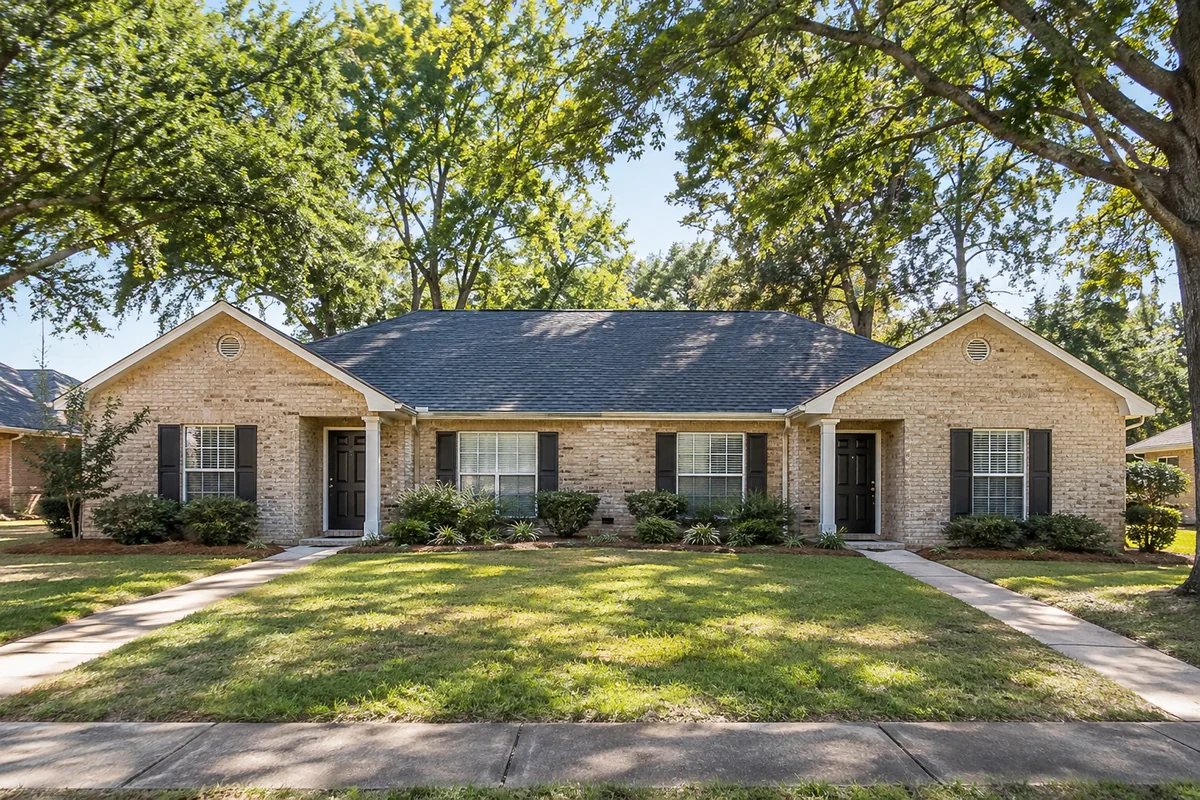
Describe the rental arrangement first
Tell the agent whether you lease the whole house, rent individual rooms, occupy one unit of a duplex, or allow occasional paying guests. Explain the typical lease length, number of units, management arrangements, and any periods when nobody lives there. These details help an underwriter decide whether the proposed property and liability coverage fits the exposure.
A home does not stop being a rental simply because the tenant is a relative. Likewise, an owner mailing address that matches the insured property does not prove owner occupancy. Provide the real arrangement and ask for written confirmation when the facts are unusual. A clear application is more useful than a convenient label.
In Mississippi, a single portfolio may include an inland house with storm exposure and a coastal property needing a separate wind discussion. Quote each address on its actual facts. Do not assume that a company accepting one rental will accept all of them on identical terms.
Separate the building from the tenant’s belongings
The landlord normally needs to consider the dwelling, eligible detached structures, and landlord-owned property such as appliances or maintenance equipment. A tenant’s furniture, clothing, and electronics are a different exposure. Ask tenants to discuss renters insurance with their own agent rather than telling them your building policy protects everything they own.
List sheds, fences, garages, storage buildings, and any equipment kept at the property. Coverage can depend on whether a structure is used for business, rented separately, or included in a scheduled limit. Replacement of one detached garage can represent a meaningful expense even when the house itself is undamaged.
Review the property description on the quote and declarations. Verify the number of units, construction type, year built, square footage, and outbuildings. A policy covering the wrong occupancy or an incomplete building description may create a problem that a seemingly generous dollar limit does not solve.
Insure rebuilding costs, then review settlement terms
Your purchase price is not the same as the cost to reconstruct the house. A bargain purchase can still require expensive demolition, labor, materials, and code work after a covered loss. Conversely, land value should not simply be added to a building limit. Ask how the estimate was developed and whether it reflects the property’s actual features.
Replacement cost and actual cash value also describe different settlement approaches. Actual cash value generally accounts for depreciation. Replacement cost coverage may involve conditions, including completing repairs and maintaining the required insurance amount. Review the policy’s valuation provision instead of relying on those two words in a proposal.
Roofs can have their own settlement schedule or restriction even when the dwelling has replacement cost coverage. For that reason, compare the roof endorsement alongside the property limit. The older roof and roof exclusions guide explains questions that are especially relevant to aging rental houses.
Ask what must happen before rental income is covered
Lost rent coverage is usually connected to a qualifying insured event and specific policy conditions. It should not be assumed to replace income whenever a tenant moves out, stops paying, or a house sits between leases. Ask what physical loss must occur, whether the damaged location must be insured, and how the restoration period is determined.
Give the agent an accurate rent amount and explain whether utilities or other charges are included. Keep leases, rent records, and a history of occupancy. These documents can help establish the income being evaluated when a covered property loss interrupts tenancy. They also support a more accurate quote before anything happens.
Discuss limits, waiting periods, time restrictions, and reductions for expenses that do not continue. A policy limit can look adequate while a short period of indemnity leaves a gap during lengthy repairs. Ask how access restrictions, utility outages, and tenant relocation are addressed rather than assuming every interruption qualifies.
Review liability for the actual premises and activities
Property damage insurance and liability insurance answer different questions. Liability coverage may respond to certain claims alleging bodily injury or property damage for which an insured is legally responsible, subject to the policy. It does not mean every disagreement with a tenant, repair dispute, discrimination allegation, or contractual obligation is covered.
Disclose pools, trampolines, animals you own or allow, elevated decks, steep steps, wood-burning appliances, and unusual maintenance arrangements. Ask about exclusions or sublimits affecting those features. Where a property manager is involved, clarify each party’s responsibilities and have the agent review any insurance requirements in the management agreement.
Ownership also matters. If an LLC owns the home, give the agent its exact legal name and discuss the appropriate named insured. A personal umbrella should not be assumed to cover every rental or business entity. Request confirmation of the relationship between the primary liability policy and any umbrella or excess policy.
Treat wind and flood as separate coverage questions
Mississippi rental owners should examine wind and hail terms wherever the property is located. On a coastal risk, determine whether wind is included, excluded, or placed separately. If policies divide the coverage, compare effective dates, insured names, limits, and deductibles so the arrangement makes sense as a whole.
Flood is a separate issue. The Mississippi Insurance Department explains that standard homeowners insurance does not cover flood damage. For a rental property, ask what flood protection is available for the building and eligible owner-owned contents. Do not assume a wind policy covers storm surge or that a tenant’s renters policy covers flooding.
A lender’s flood requirement is not the entire risk assessment. Review the property’s location, drainage, prior water events, and available flood information. Ask how flood coverage treats rental income and temporary living expenses, since these benefits should not be assumed. See the flood and storm surge guide for the distinction between flood and other water damage.
Plan for turnover, repairs, and extended vacancy
A tenant leaving changes more than your cash flow. An empty building may have a different theft, vandalism, or water-loss exposure, and policies can define vacancy or unoccupancy in different ways. Before the tenant leaves, tell the agent how long the home may be empty and whether utilities, furnishings, and regular visits will remain.
Do not rely on a universal number of days. Ask for the actual vacancy provision and any changes to coverage, deductibles, or eligibility. A weekend cleaning between leases is not necessarily the same underwriting situation as months of major reconstruction, but both should be described accurately when relevant.
If renovations are planned, provide the work scope, budget, contractor information, and anticipated completion date. Structural changes or substantial work may require different coverage. The vacant home and renovation guide can help you organize that discussion before a gap develops.
Check what a Mississippi plan leaves for you to arrange
Mississippi’s residual market plans should be compared with a landlord package rather than treated as interchangeable substitutes. MRPIUA’s published FAQs describe eligible one- or two-family residential dwellings and state that the plan uses actual cash value settlement and does not provide liability, theft, or vandalism coverage. An eligible building can therefore still need a separate discussion about important landlord exposures.
MWUA’s published FAQs state that it does not offer liability or loss of rents. If wind coverage is arranged through MWUA, ask how those missing protections are addressed elsewhere, if available. Do not assume the remaining property policy pays rental income following a wind loss that it excludes.
Have the agent explain the full arrangement in one comparison. Identify the insurer or plan responsible for each covered cause of loss and each property or liability exposure. Keep uninsured items visible. This is particularly useful when a coastal rental requires more than one contract to assemble the protection you want.
Where surplus lines can fit a rental property
Surplus lines may provide another avenue when admitted insurers decline a particular rental exposure or cannot offer suitable terms. The decision should rest on the specific quote and insurer, not a belief that all surplus policies are broader or all are weaker. Ask which company will issue the policy and who handles claims.
Review the nonadmitted status, applicable disclosures, guaranty protection limitations, taxes, and fees with the placing professional. A familiar agency name is not the insurer’s legal name. Keep a copy of the proposal, applications, endorsements, and any documents explaining how the placement works.
Compare the complete cost and practical coverage. A lower premium with a larger wind deductible, actual cash value roof settlement, or restrictive water endorsement may involve a different financial tradeoff. The right question is what you could afford to retain after a loss and whether the offered policy addresses the exposures you need insured.
Use a short comparison sheet for each address
Build one comparison row for each proposed policy and record the building limit, settlement basis, roof provision, covered causes of loss, liability limit, rental income protection, and each deductible. Add a column for exclusions or conditions that could materially affect your property. Leave unanswered items visible until the agent resolves them.
Compare the annual total, installment cost, financing charges where applicable, and cancellation provisions. Ask whether a policy has minimum earned premium or other nonrefundable amounts. If you may sell the home or change its use during the year, those terms can influence the practical cost.
Hypothetical example: a landlord receives two quotes for a leased house with an older roof. One has a lower upfront cost but settles roof damage using a schedule. The other costs more and uses different settlement terms. The useful comparison includes the likely out-of-pocket obligation, not just the difference between the quoted premiums.
Prepare a complete rental property file
Gather current exterior and interior photographs, roof age and supporting invoices, updates to wiring and plumbing, heating details, prior loss information, and the existing declarations page. Provide the exact property address, ownership name, mortgagee information, current rent, and intended occupancy. Describe any unresolved damage openly.
Keep a maintenance record with dates, receipts, and photographs. Document completion of underwriting repairs and ask whether proof has been accepted. When a policy requires an inspection or follow-up action, record the deadline and responsible person. A quote is only one part of keeping coverage in force.
At renewal, check for changed endorsements, new deductibles, revised values, and changes in tenant use. Tell the agent about a new short-term rental arrangement, extended vacancy, or major renovation before treating last year’s policy as automatically suitable. Regular review gives you more time to evaluate alternatives.
Common questions
Can I keep my homeowners policy after renting out my Mississippi house?
Do not assume so. Tell the insurer or agent before the occupancy changes and request written guidance. A policy designed for your residence may have conditions that do not fit tenant occupancy. The appropriate replacement or endorsement depends on the insurer, form, rental arrangement, and other property details.
Does landlord insurance cover a tenant’s personal belongings?
Your building policy should not be treated as the tenant’s contents policy. Discuss which landlord-owned property is insured and encourage tenants to review renters insurance for their belongings and liability. Flood and other exclusions still require a separate discussion; the existence of two policies does not eliminate every gap.
Will lost rent coverage pay when a tenant does not pay?
Not simply because rent is unpaid. Rental income protection commonly requires a qualifying covered loss and other stated conditions. Ask about the covered trigger, limits, restoration period, and recordkeeping requirements. Do not confuse it with protection against tenant default or ordinary vacancy between leases.
Can a Mississippi rental owned by an LLC be insured?
An LLC-owned property may be insurable, but ownership must be disclosed accurately and accepted by the insurer. Give the agent the entity’s exact legal name and explain who manages and occupies the property. Review named insured status, liability coverage, and any umbrella requirements together.
Does a separate wind policy also cover flood?
Do not assume it does. Wind damage and flood, including storm surge, are distinct coverage questions. Review each policy’s wording, property description, limits, and deductibles. Ask about separate flood coverage for the building and eligible contents and how the policies coordinate when one storm causes multiple types of damage.
What should I tell the agent when a rental becomes vacant?
Report the change before or as soon as it occurs. Explain expected duration, planned repairs, utilities, security, furnishings, and inspection arrangements. Ask the agent to identify the actual vacancy or unoccupancy provision and whether an endorsement or different policy is needed. Keep the response with your policy records.
Sources and scope
Official materials checked October 30, 2026. Rules, plan eligibility and policy forms can change. Sources support the topics identified here; they do not confirm a particular policy will cover a loss.
- Mississippi Insurance Department: Homeowner’s InsuranceCoverage categories, replacement cost and actual cash value, shopping information, flood exclusions and claims preparation.
- MRPIUA: Frequently Asked QuestionsResidential eligibility, ACV settlement, and no liability, theft or vandalism.
- MWUA: Frequently Asked QuestionsNo loss-of-rents or liability coverage.