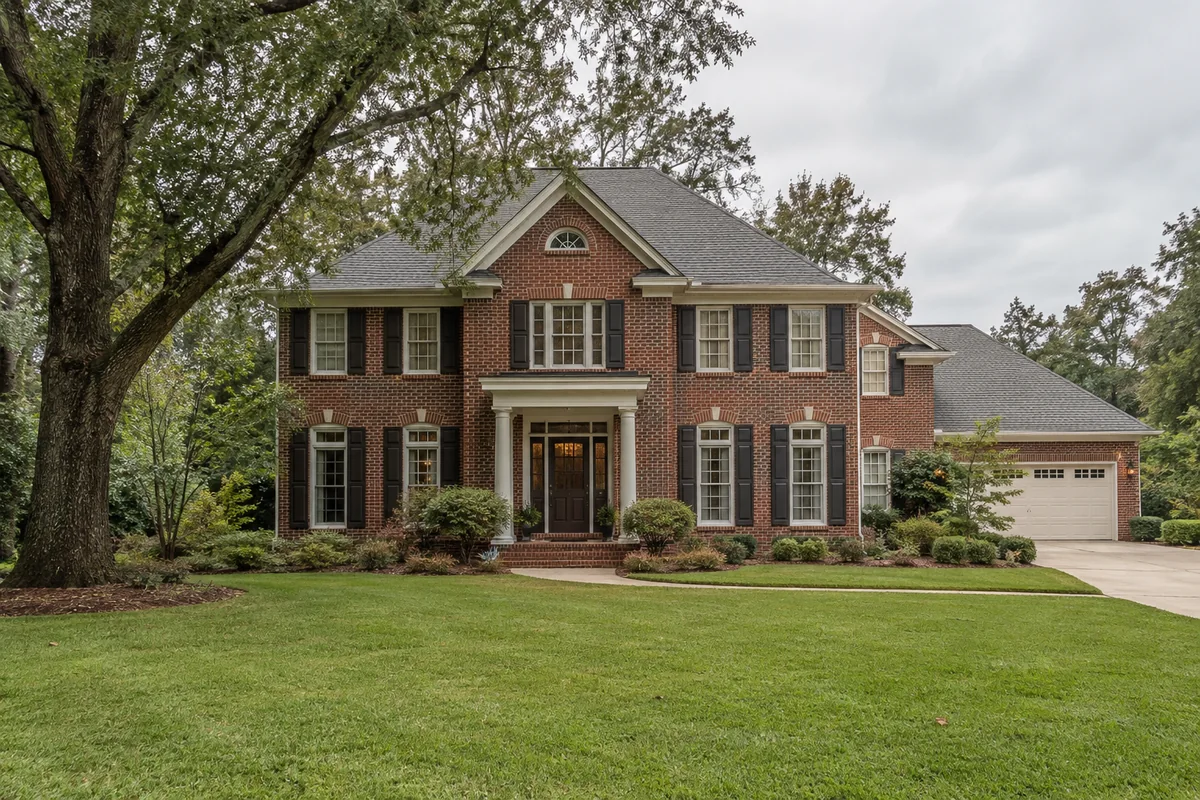
Two routes to insuring the same home
An admitted insurer holds authority to write the relevant business as a licensed insurer in Mississippi. Surplus insurance is placed through the nonadmitted market with an eligible insurer and an appropriately licensed producer. The nonadmitted designation does not mean the company is operating outside every regulatory requirement. It describes a different route for placing the coverage.
A property may receive interest from both markets, only one, or neither under the facts presented. Underwriting depends on the home and each insurer’s appetite. Roof condition, prior losses, location, construction, replacement cost, and occupancy may influence the options. A difficult experience with one company does not establish how another company will respond.
For a consumer, the comparison should begin with the same accurate application information. Otherwise, a lower quote might reflect an incorrect roof age, omitted claim, or different occupancy rather than a better offer. Keep a short property summary and use it consistently. Ask each agent to identify any assumptions that remain unresolved in the quotation.
Understand what regulatory status tells you
Mississippi’s personal-lines surplus disclosure addresses differences in regulatory oversight. Admitted insurers are subject to greater state regulatory oversight over the admitted market. Surplus insurers and producers still operate within legal requirements concerning eligibility, licensing, placement, notices, reporting, and other obligations. Calling surplus insurance wholly unregulated would give consumers the wrong impression.
Regulatory status does not replace a policy review. A regulator’s involvement does not mean every admitted contract covers every loss a homeowner expects. Conversely, an eligible surplus insurer may offer a policy that fits a particular difficult property. You need the declarations, forms, exclusions, and endorsements to evaluate the coverage being offered.
Avoid translating a regulatory category into a promise about customer service. Claim handling depends on the insurer, administrator, policy, facts of the loss, and applicable law. Ask how claims are reported, who adjusts them, and what escalation process is available. Keep the insurer’s legal identity separate from the retail agency or brand that helped obtain the quote.
Compare insolvency protections carefully
Mississippi’s surplus policy notice states that the policy does not receive protection from the Mississippi Insurance Guaranty Association if the insurer becomes insolvent. This is a material difference to consider. It is also different from a coverage exclusion: the issue is a potential insurer failure, not whether wind, fire, or another cause of loss is insured.
For admitted coverage, any guaranty association protection remains subject to the applicable statute, eligibility rules, limits, and exclusions. It should not be described as unlimited government insurance for every claim. A consumer comparing two policies should ask the agent to explain the relevant protection and any limitations without using the existence of a fund as a substitute for financial review.
Review the particular insurer’s financial strength in either market. Confirm the exact entity named in the quote, the source and date of a rating, and whether the lender has a separate insurer requirement. A strong rating is useful information but cannot guarantee future performance. Our surplus insurer safety guide explains a practical review process.
Mississippi does not require the old diligent search
Mississippi Insurance Department Bulletin 2017-3 explains that the diligent-search requirement was removed for policies quoted or bound on or after July 1, 2017. A Mississippi consumer should not be told that a particular number of admitted declinations is universally required before any surplus policy can be considered. The change applies statewide, rather than only in coastal counties.
The absence of that requirement does not mean admitted coverage should be ignored. A household can still benefit from a comparison when suitable options exist. Ask which markets were actually considered, whether coverage differences explain the recommendation, and whether a particular insurer is available through the agent. Access to a market and legal authority to place coverage are separate questions.
Personal-lines notices and policy-stamp requirements continue to matter. Read the disclosures supplied with a surplus placement and ask for clarification when the terminology is unfamiliar. They help explain the market distinction but do not summarize every policy limitation. A signed acknowledgment should follow an understandable explanation, not substitute for one.
Compare equivalent protection before comparing price
Start a side-by-side review with the dwelling limit and method used to estimate reconstruction cost. The market value of the property, purchase price, loan balance, and cost to rebuild are different measures. If quotes use different dwelling limits, ask why. A large difference can affect both the premium and the usefulness of the comparison.
Then compare personal property, detached structures, additional living expense or loss of rent, liability, medical payments, and important sublimits. Match the actual use of the property. A landlord policy and an owner-occupied homeowners policy are designed for different exposures. A lower price based on the wrong occupancy is not a meaningful alternative.
Finally review endorsements. Water damage limitations, roof settlement provisions, cosmetic damage exclusions, ordinance or law coverage, and other conditions may substantially change the proposal. Ask for the quoted form numbers and the relevant wording. If an agent cannot supply the full issued policy before binding, request specimen forms and a written explanation of material restrictions that appear on the quote.
Mississippi’s homeowners policyholder-rights regulation calls for an outline of coverage and comprehensive policy checklist and expressly includes residential surplus forms. Request these documents at issuance and renewal. They can make included and excluded perils easier to compare, along with the stated settlement provisions. The summaries do not amend the contract or create coverage missing from it. If a checklist entry and your understanding of the policy conflict, ask the producer to identify the controlling wording and explain the difference. Retain both the summary and the complete policy so later comparisons use the same written record.
Separate coastal wind and flood questions
Mississippi properties have different weather exposures, and a county name alone does not determine the right policy. Near the coast, a proposed homeowners contract may need particularly careful wind review. Inland homes can also experience wind and hail losses. Read whether wind is included, excluded, or subject to a special deductible or endorsement.
Flood is a separate coverage question. A homeowners quote should not be assumed to include storm surge or rising-water coverage merely because it covers wind from a hurricane. If flood insurance is needed, evaluate it separately and coordinate its effective date and lender documentation. The causes of damage and the wording of each contract determine which coverage may respond.
Mississippi’s Windstorm Underwriting Association and Residential Property Insurance Underwriting Association have different functions and eligibility terms. Their policies should be compared with private coverage by actual scope, rather than grouped together under an imprecise FAIR Plan label. Our Mississippi residual-market guide explains the distinction and the questions a homeowner should ask.
Test your ability to carry the deductible
Compare the ordinary deductible with every catastrophe or cause-specific deductible. Pay attention to named-storm, hurricane, wind, and hail definitions because these terms are not automatically interchangeable. Determine whether a percentage applies to the dwelling limit, another insured amount, or a different basis. Request a dollar calculation using the actual quoted policy.
Hypothetical example: one proposal might have a $2,500 deductible while another applies a two-percent deductible to a $400,000 dwelling limit. The second calculation would be $8,000 if that is the basis stated in its endorsement. This example is not a Mississippi requirement or market average. It illustrates why comparing only premium can obscure a larger retained loss.
Also consider settlement timing. A contract that initially pays actual cash value and releases recoverable depreciation after qualifying repairs can create a cash-flow challenge. Ask what documents and deadlines apply and whether the relevant coverage includes that feature at all. Plan for the household’s ability to fund repairs, temporary housing, and uncovered expenses while a claim is being adjusted.
Compare the full cost of the arrangement
A surplus quote may show premium separately from Mississippi taxes, assessments, and policy fees. MSLA’s published assessment guidance lists a four-percent premium tax, a quarter-percent stamping fee, and a three-percent nonadmitted policy fee, with specific exceptions. The applicable bases and exceptions should be confirmed on the itemized quote. Do not compare a bare premium with another policy’s all-in total.
Financing changes the payment structure, not the underlying coverage. Compare the total finance charge, down payment, installment schedule, and consequences of a missed payment. An annual premium can be lower while the financed amount or cash needed at inception is higher. Ask whether lender escrow will pay the premium and when that payment must arrive.
Cancellation costs also deserve attention. Review minimum-earned premium, short-rate terms, nonrefundable fees, and any finance agreement before assuming a midterm switch will generate a proportional refund. These terms vary. Our cost guide shows how to separate insurance charges from taxes, producer fees, and payment costs.
Bring the lender into the comparison early
A lender can impose insurance requirements beyond the question of whether a policy is legally available. Its review may address insurer financial strength, coverage limits, deductibles, named insureds, mortgagee wording, and excluded perils. If the home needs a separate wind policy, confirm that the combined arrangement satisfies the lender’s requirements before the closing deadline.
Send the proposed evidence of insurance through the lender’s required channel and retain its response. A general statement that a lender accepts surplus insurance may not establish acceptance of this insurer or this deductible. Ask for any objection in specific terms so the agent can determine whether another endorsement, limit, or policy is needed.
Keep the old policy in force until replacement coverage is bound and the effective dates align, unless circumstances make that impossible. When an existing policy is ending, work from the actual notice date rather than an assumed grace period. An application, quote, or payment request alone is not written confirmation that a new insurer has accepted the risk.
Choose on fit and revisit the choice
A well-supported decision may favor admitted coverage, surplus coverage, or another permitted arrangement. The goal is to match the household’s needs with an available contract at an understood cost. Ask the agent to identify the strongest reason for the recommendation and its most consequential limitation. A clear answer is more useful than a broad claim that one market is always better.
Retain a comparison sheet showing limits, deductibles, key exclusions, settlement basis, insurer, total cost, and any conditions still outstanding. Save the accepted quote with the issued policy and verify that they agree. If an inspection leads to a repair requirement or change, obtain the deadline and revised terms in writing.
At renewal, reassess the property and the market. Completed roof work, changed occupancy, corrected inspection findings, or other documented improvements may affect available options. None guarantees a different insurer will accept the home. A disciplined review simply gives you a fresh basis for deciding whether the existing arrangement continues to serve your needs.
Common questions
Is admitted insurance always better?
No single label settles the comparison. Admitted and surplus policies differ in regulatory treatment and insolvency protection, but the actual contract still matters. Compare the insurer, coverage, deductible, total cost, and suitability for the property.
Do I need three declines before considering surplus coverage?
Mississippi removed its diligent-search requirement for policies quoted or bound from July 1, 2017. Do not import a declination-count rule from another state. The producer must still follow applicable licensing, eligibility, disclosure, and placement requirements.
Are surplus policies backed by Mississippi’s guaranty association?
The required Mississippi surplus notice states that they are not protected by the Mississippi Insurance Guaranty Association in the event of insurer insolvency. Review the specific insurer’s financial condition and discuss this difference before purchasing.
Can the same agency offer both markets?
An agency may have access to multiple markets directly or through intermediaries, but access and licensing vary. Ask which companies it can actually approach and who will handle the surplus placement. Do not assume a website represents every available insurer.
Does surplus status mean my lender will reject the policy?
Not automatically. A lender reviews its own requirements and the specific policy and insurer. Obtain confirmation early, particularly for a closing, large wind deductible, or separate wind arrangement. Legal availability alone does not establish lender acceptance.
What should I compare first?
First confirm that both quotes accurately describe the property and occupancy. Then compare dwelling limits, covered perils, exclusions, settlement basis, and deductibles. Finish with the complete premium, taxes, fees, financing terms, and outstanding conditions.
Sources and scope
Official materials checked October 30, 2026. Rules, plan eligibility and policy forms can change. Sources support the topics identified here; they do not confirm a particular policy will cover a loss.
- MSLA producer frequently asked questionsMississippi nonadmitted policyholder notice, insurer identity and documentation requirements.
- MSLA nonadmitted insurer eligibility informationMississippi eligibility mechanisms for foreign and alien nonadmitted insurers.
- MSLA producer manual: assessmentsFour percent premium tax, quarter-percent stamping fee, three-percent nonadmitted policy fee and residential flood/earthquake exception.
- Mississippi Insurance Department Bulletin 2017-3Statewide removal of diligent-search requirement from July 1, 2017; personal-lines disclosures and stamp.
- Mississippi homeowners policyholder-rights regulationOutline of coverage and comprehensive policy checklist requirements extend to residential surplus forms; summaries do not alter the contract.